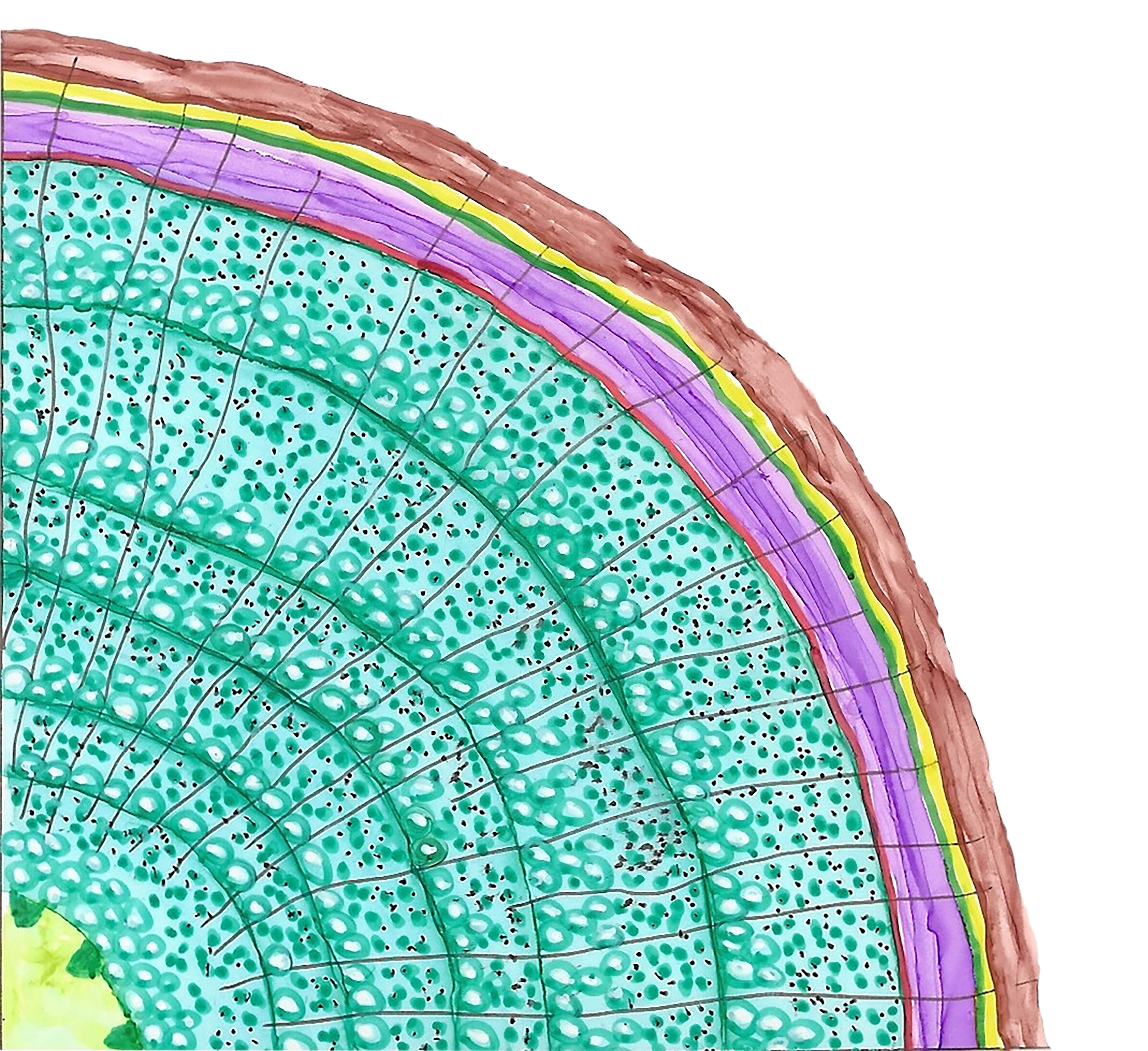
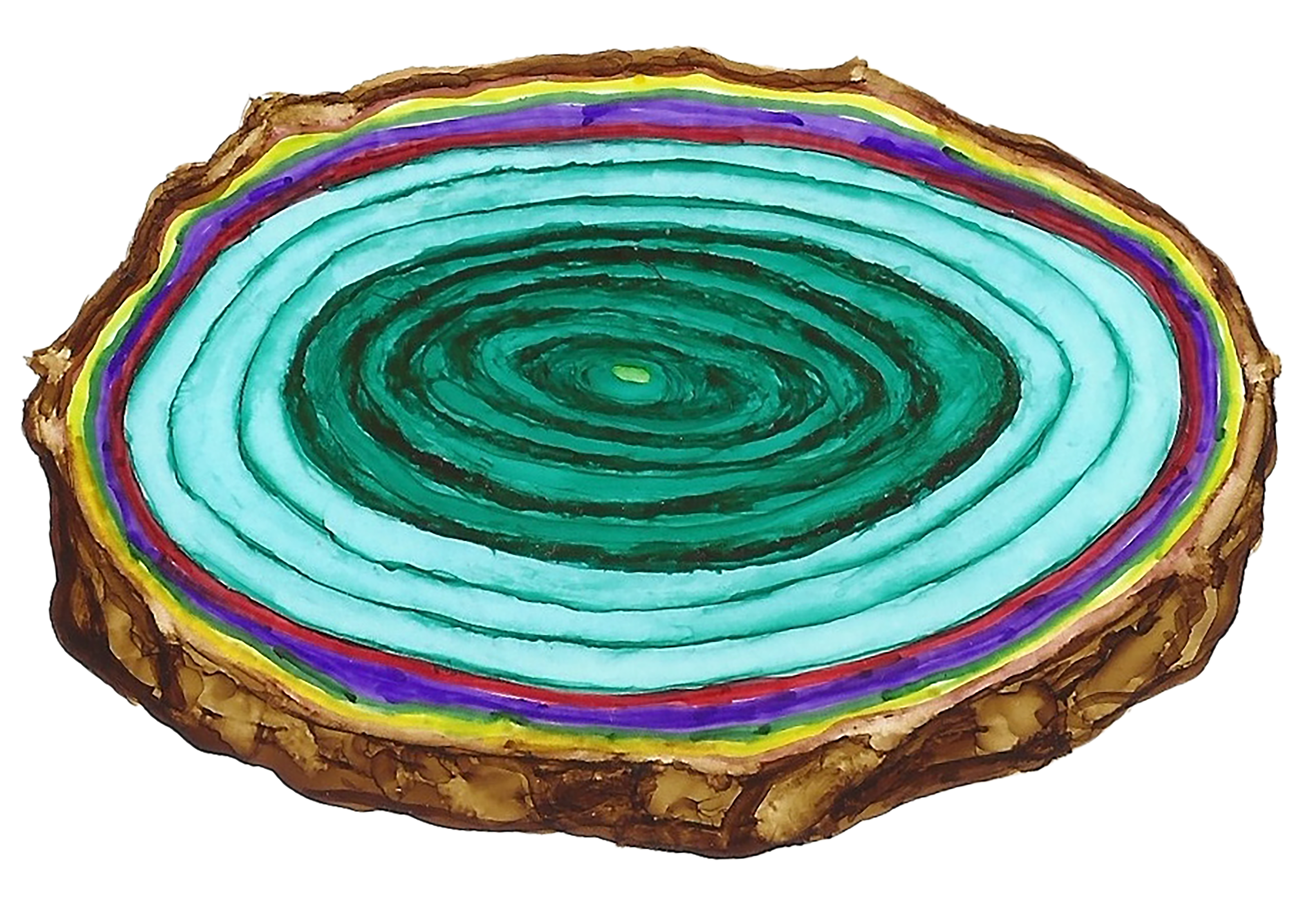
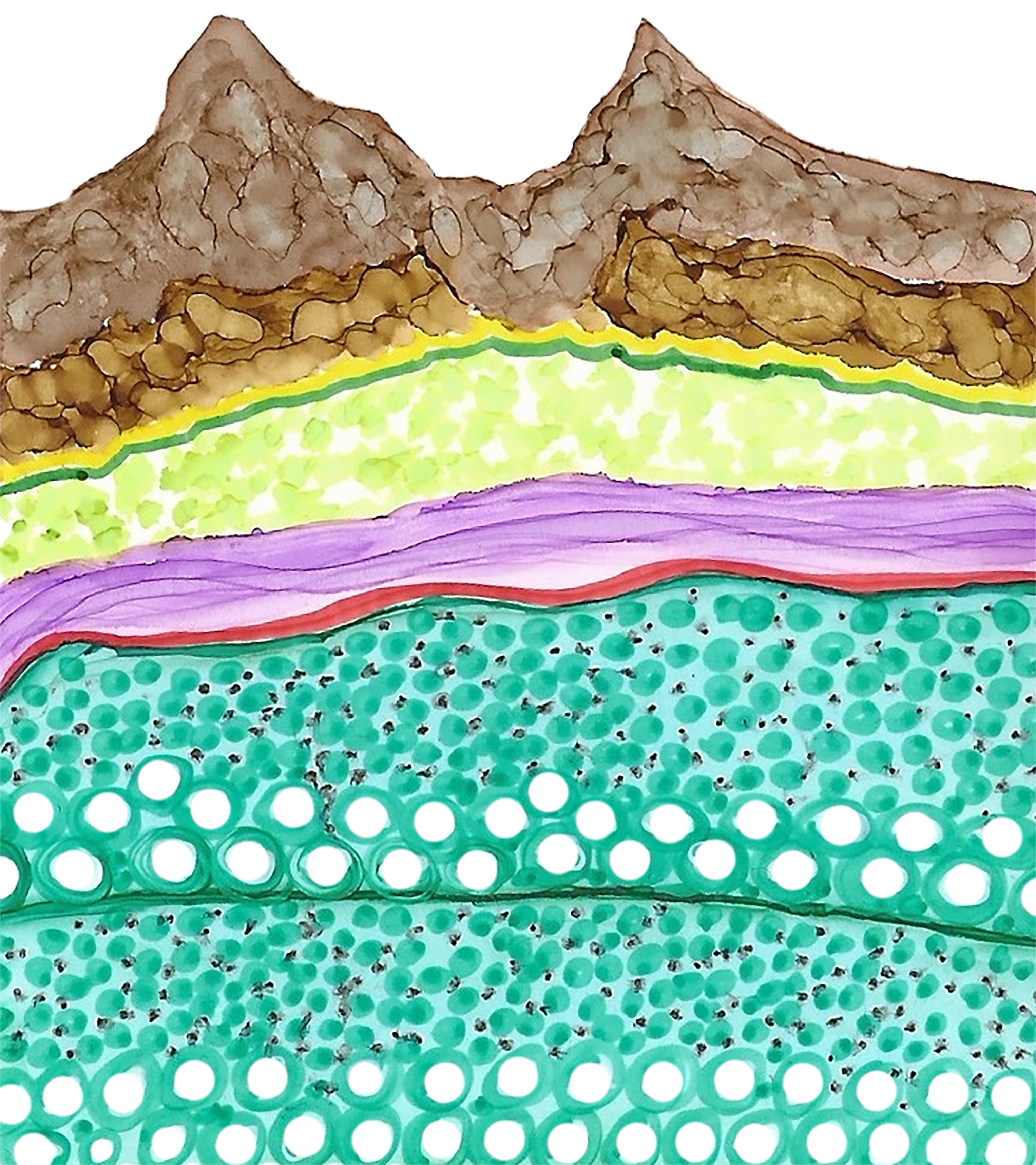
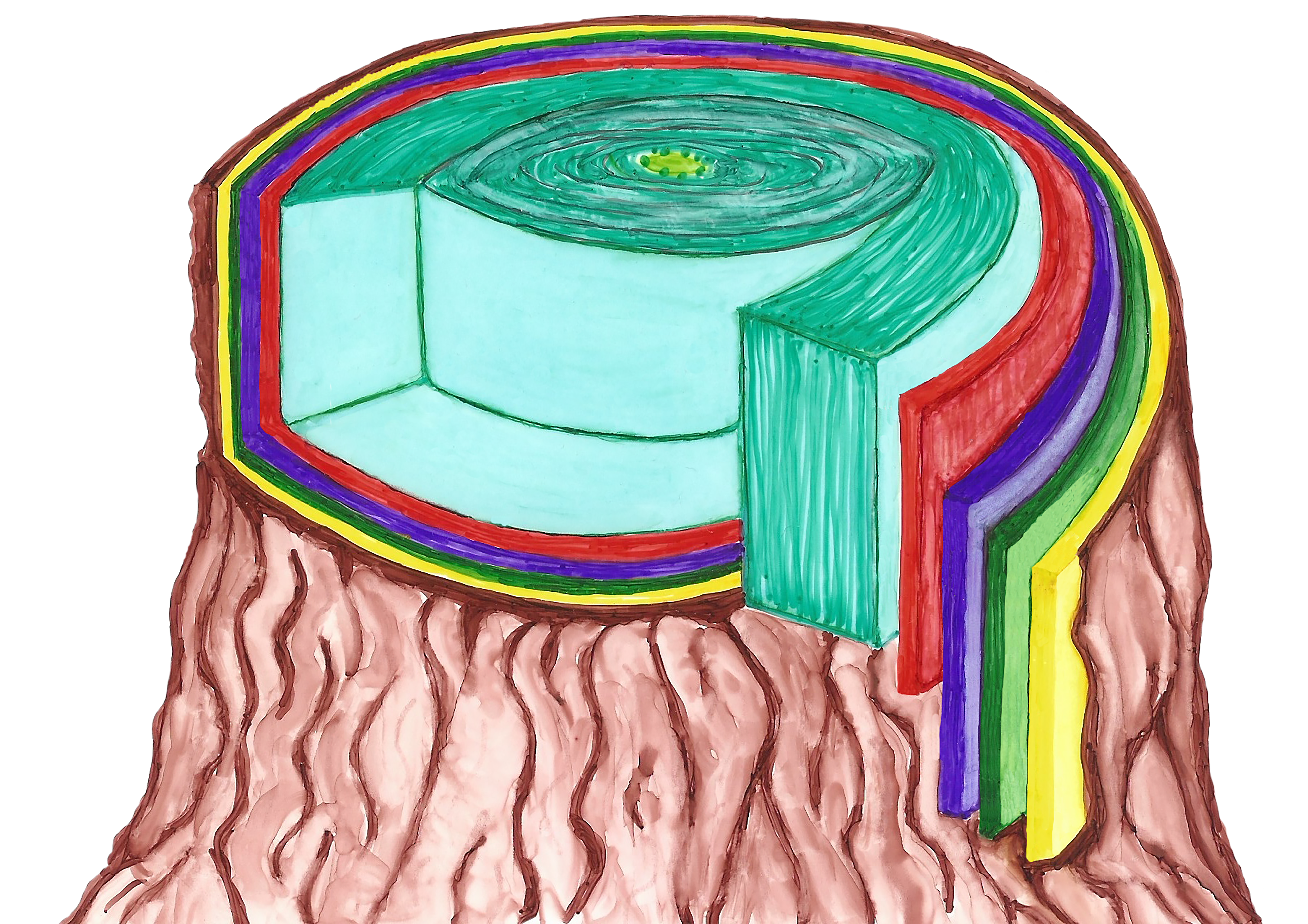
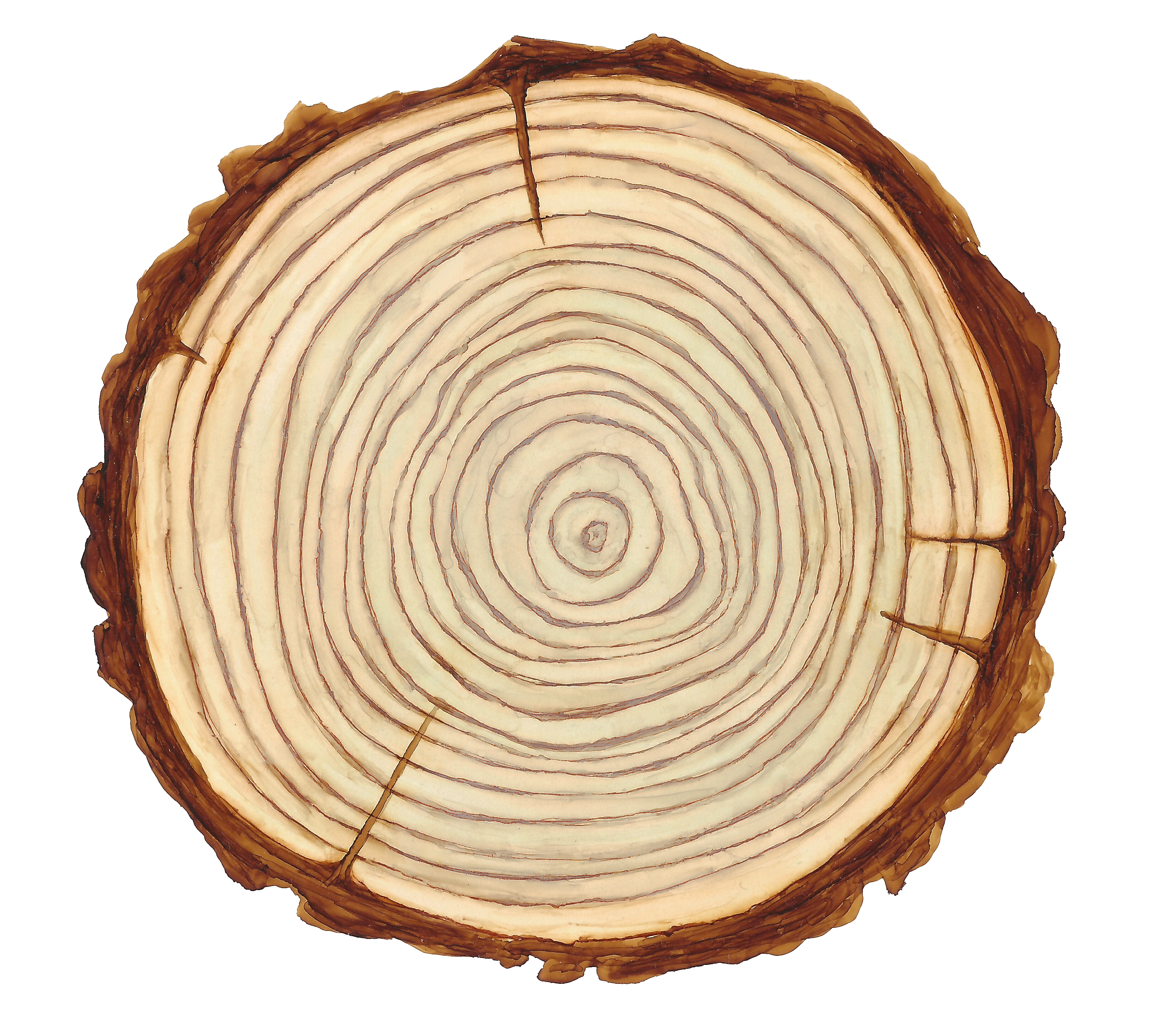
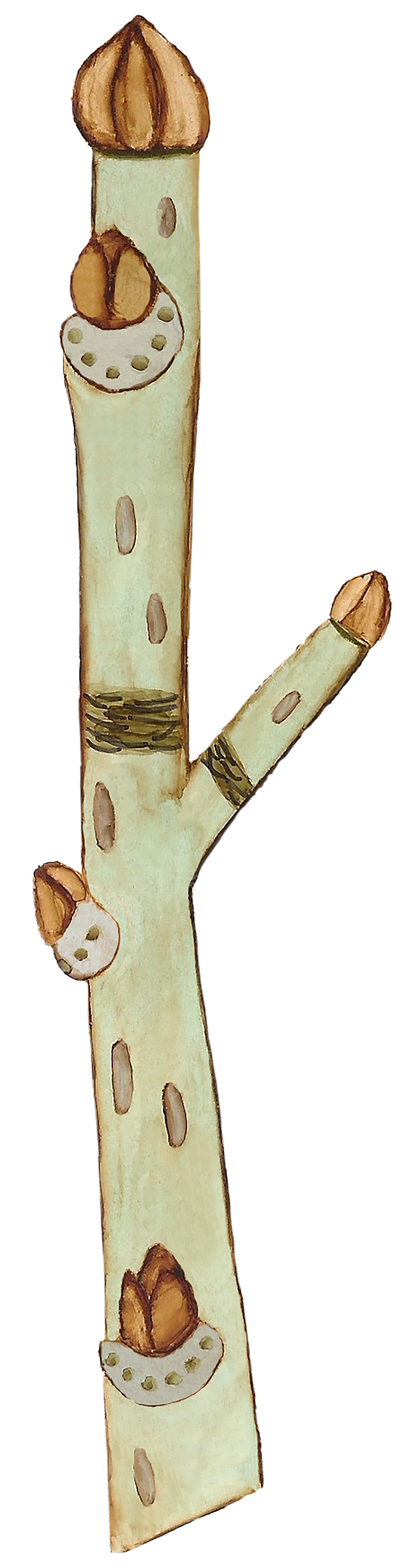
In this book, you’ll learn why some plants have wood and bark and why some don’t, how the vascular cambium and cork cambium form, what cells are present in wood and bark, the difference between springwood and summerwood, the difference between heartwood and sapwood, the function of lenticels, and how knots form. In the back of this book, the activity with an adult will show you how to track the growth of a woody branch from season to season. The two-page glossary has definitions and IPA pronunciation guides for new terminology so you can feel confident when reading this book!
Praise for Botany for Everyone: Wood and Bark
‘Fun Fact: Teachers who read this book have the most engaging science experiments and really DO have all the answers!’ Joy, kindergarten teacher
‘Clear illustrations and bright colors make this book great for visual learners, and the author teaches the unfamiliar side to what is so familiar to us with such care for simplicity that it makes botany more accessible for everyone.’ Patty, parent
‘I learned that when you care into a tree it can get infected and die. I wood-n’t do that now. And I learned where tree knots in lumber come from. Finally. How did I knot know that?’ Kingston, 10
 botanyforeveryone.com